Amendment IV
The right of the people to be secure in their persons, houses, papers, and effects, against unreasonable searches and seizures, shall not be violated, and no warrants shall issue, but upon probable cause, supported by oath or affirmation, and particularly describing the place to be searched, and the persons or things to be seized.
This amendment guarantees a search without a warrant. Sometimes, we think that the police have the power to arrest whoever they want to, but really they don't. They are also not allowed to search a private place and seize evidence. This amendment kind of goes against the term: ritz of assistance. This was where the kings men were allowed to enter and place at any time. Probable clause is an important link to this amendment. This is where if a police officer has reasonable suspicion of a crime, then they can search. If something is seen in plain view, they don't need a warrant. After probable cause, a warrant must be authorized by the court. Warrants must clearly describe the place to be searched and exactly what can be seized. The fisa act was used for wire typing. Federal officers can tap phones with probable cause with a warrant two to three days after. In many cases, warrants were never issued and courts never act.
https://www.youtube.com/watch?v=Dw1q9rBv7oU
This video demonstrates a sheriff trying to violate the fourth amendment. The victim of the sheriff tells him that he is violating the fourth amendment and says that he isn't and that he doesn't need a warrant when he really does. He later try's to arrest him and then says that he is going to ask to get a warrant later, when he just said he didn't need one.
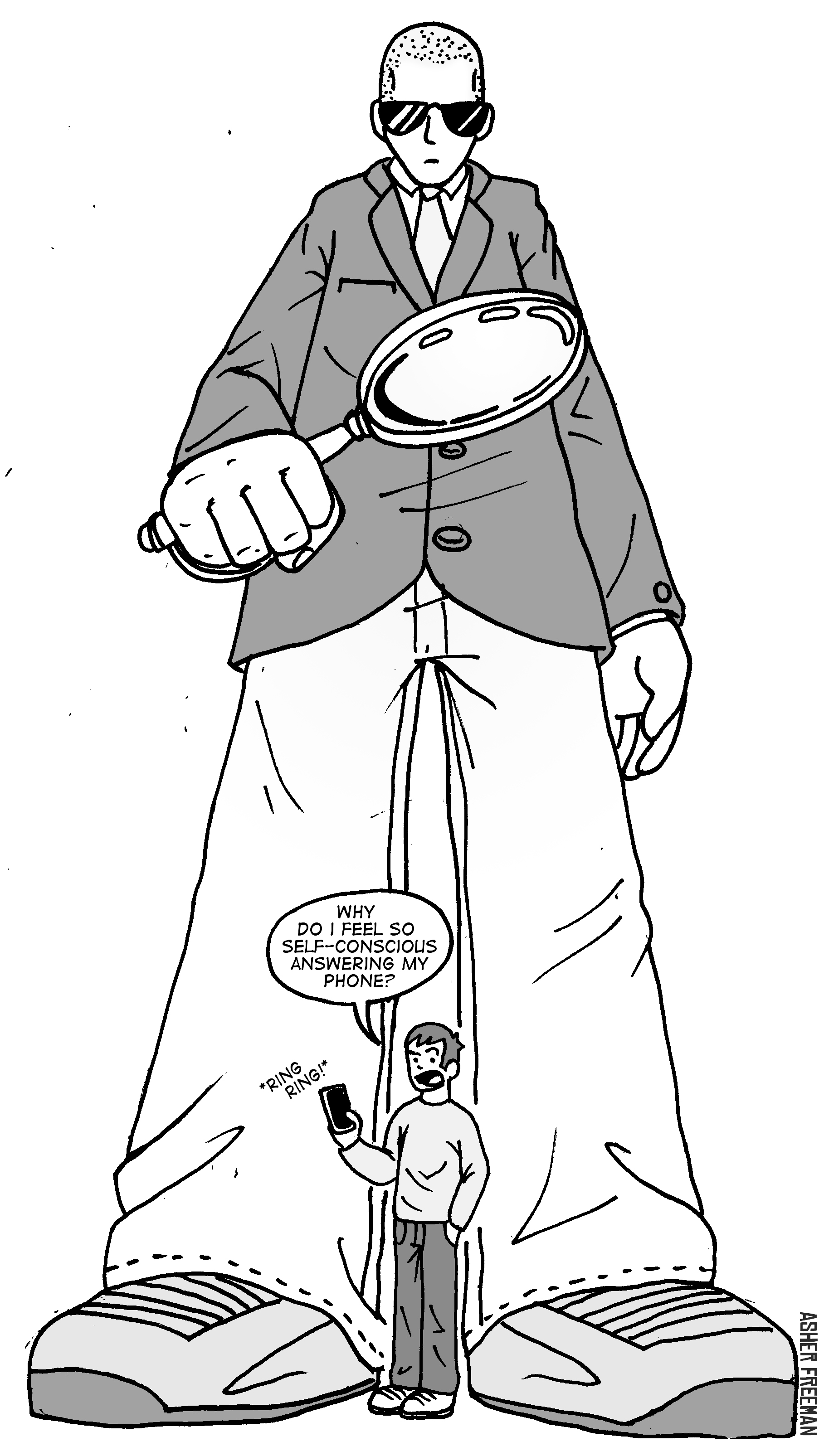
This picture is a good depiction of someone that would go against the fourth amendment. The tall investigator seems to be snooping on a normal, innocent person. This type of thing would go against the fourth amendment.

No comments:
Post a Comment